I could have made do with Mozart. I added Ukrainian lullabies
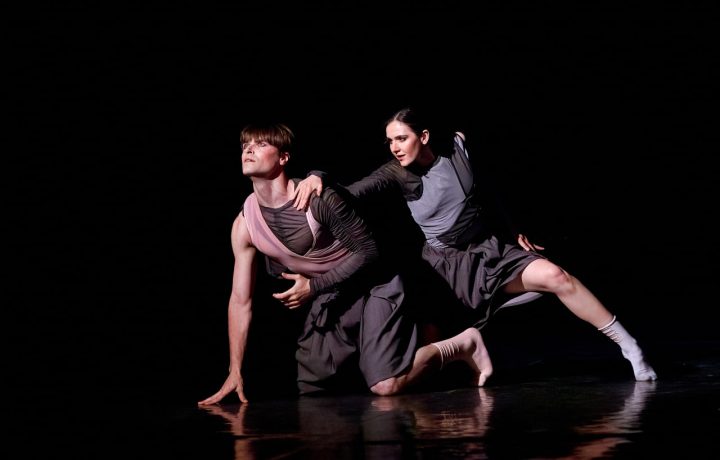
On October 21 the “Kyiv Modern Ballet” theatre presents online the performance “The Little Prince”. The ballet, based on Antoine de Saint-Exupéry’s fairy tale, was created to music by Wolfgang Amadeus Mozart and Ukrainian lullabies. Chief choreographer Radu Poklitaru tells about the production.
Everyone remembers the words from “The Little Prince”: you become responsible for those you have tamed. But Saint-Exupéry’s book is multifaceted. Its distinctive quality is that the philosophical reflection is accessible to readers of any age.
I came to “The Little Prince” through music. I stumbled upon the first symphonies of the 8-year-old Mozart. They astounded me. Because these are grown-up works. I tucked them away in my stash. I waited for the right moment when these treasures could be put to use.
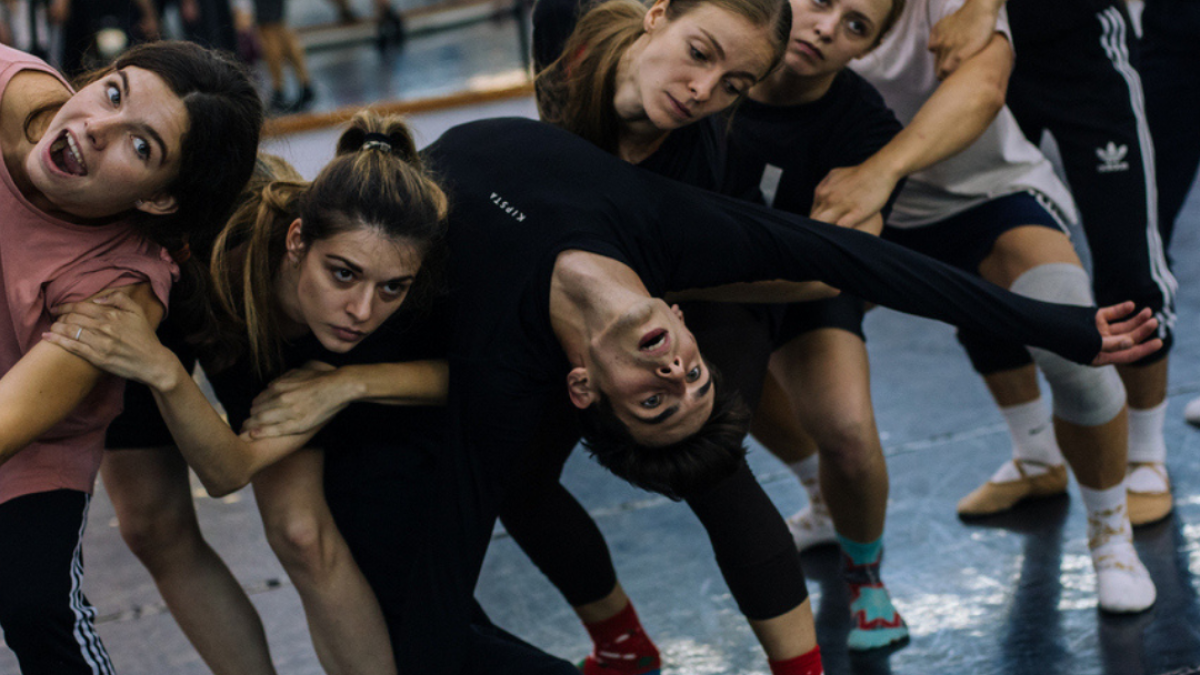
The artists of Kyiv Modern Ballet are rehearsing the production “The Little Prince” in the hall of the Kyiv Opera and Ballet Theatre for Children and Youth. The premiere of Radu Poklitaru’s production will take place online on 21 October.
Every new ballet begins with my withdrawing from the bustle. I create a Word file in which I jot down my thoughts about the project. This time a folder called “Childhood” appeared on the computer. I gathered everything that seemed touching, poignant, nostalgic. I wanted to create a hymn to childhood. To that period which all of us have lost.
I do not believe in flashes of inspiration. As Pyotr Tchaikovsky said to a young artist: “Do not talk nonsense, inspiration is vulgarity.” With me it happened for the first time. I dreamed that the 8-year-old Mozart – that is precisely who the Little Prince should be. In the morning I renamed the folder “Childhood” to “The Little Prince.”
I flew to Greece, to the resort town of Loutraki on the coast of the Ionian Sea. I rented a place with a small patio. It was November. I worked beneath half-rotten oranges. I realized I had set myself a difficult task. Because all the power of this fairy tale lies in its aphorisms. While the plot is easy to convey through dance, the allegories and metaphors require a subtler, word-for-word translator into the language of ballet.
Children know how to marvel. For them every event is an emotional shock. With time we grow callous.
Every year my parents and I travelled from Chisinau to Odesa to take our holidays. It is 180 kilometres, which the diesel train covered in 3 hours. I remember the first time I saw the sea. It took my breath away – that colossal quantity of water stretching to the horizon. And so it was every year. But once I came to the spot from which the seascape opens up, and felt nothing – it was simply water. I had grown up. They say only madmen can preserve their childlikeness. I envy them.
In terms of music, I could have made do with Mozart. But a production is more powerful if you play on contrast. I wanted to preserve the childlike component and find an opposite in the musical material. Classical music and folklore are two oceans in which I feel comfortable. Folk music is never bad. It crystallized, passed through sand and clay – various layers of natural filters, generations of people. And only the best has come down to our time. I heard Ukrainian lullabies in the a cappella performance of Mariia Pylypchak (composer, ethnographer, director of the children’s folklore ensemble “Tsviten,” founded in 1986 under the Hryhorii Veriovka National Honoured Academic Folk Choir of Ukraine. – Krayina). I took it as the second component for the musical score of the ballet “The Little Prince.” A solitary cosmic female voice against a symphony orchestra.
I do not know how the performance will end. This is not frozen chebureki from the supermarket that you toss into a frying pan and they are ready in 10 minutes. You come into the hall with music and artists. And from there everything can go off plan. My characters are wilful. Sometimes they behave not as I had planned. The only thing I know for certain is at which beat in the music the action is to begin and end.
What is conceived and what is realized differ. I have a poor grasp of philosophy, but from the fundamentals of Hegel’s dialectics I learned this: it is impossible to unite the ideal and the real. You write your thoughts about the project beneath the oranges, in your head you build an enchanted castle – an ideal “Little Prince.” Then you come to the ballet hall, where the music, the sets, the artists, what you had for breakfast all exert their influence – and out comes a real performance.
Ballet helps to speak differently about things that cannot be put into words. I may succeed in finding a parallel story of the Little Prince. It will turn out unlike the original. Because on stage not a single word will be spoken. And Exupéry’s Little Prince is woven out of words.
Viktoriia Maistrenko